Have you ever looked at a beautiful picture and said, I wish I could do that? You're not alone. Most of the would-be artists feel that only the naturally gifted can produce beautiful art. But the fact is that any person can master techniques of visual art through practice and patience. The given guide will …

Have you ever looked at a beautiful picture and said, I wish I could do that? You’re not alone. Most of the would-be artists feel that only the naturally gifted can produce beautiful art. But the fact is that any person can master techniques of visual art through practice and patience. The given guide will take you through the necessary skills to draw and paint, and it is going to be enjoyable and rewarding.
The Mindset Power: Ability Over Potential
The initial process to becoming a successful artist is the changing of mindset. Rather than believing that you are not talented, you should say to yourself, I can learn. The psychology research reveals that a growth mindset is critical, i.e. believing that skills can be trained with the help of devotion and effort. This view does not only help you build your resilience, but it also improves your learning process.
The Basics of Drafting Techniques
1. Mastering Line Work
Any drawing is based on lines. They express form, surface and soul. Being a novice, pay attention to the practice of several types of lines: straight, curved, thick, and thin. Attempt to make a page full of varying styles of lines so that you become familiar with your pencil.
Another easy task is drawing simple objects in different angles. This not only makes your line quality better but it also makes you realize the perspective.
Expert Advice: Artists usually start with a warming up exercise of sketching lines and shapes then to more complicated objects. This habit constitutes trust and command.
2. Understanding Shapes
You have to simplify a figure to simple lines before you are able to create a detailed figure. As an example a human body can be drawn using ovals in the head and body as well as cylinders in the limbs. This method is referred to as blocking in and is important in proper proportions.
Practice: Select a basic item, such as a coffee cup. Begin with the sketch of it in basic shapes and continue to detail it. This is the easiest way of simplifying the most complicated topics.
3. Exploring Value and Shading
Value is the lightness or darkness of a color and it is important to learn how to use it when you want to make some depth in your drawings. Shading Shading is a practice required on a value scale (white to black). Slowly move between light and dark so as to learn how light acts with objects.
Exercise: Prepare a simple still life using one light source. Sketch the objects, stressing on the highlights and shadows. This will get your eye conditioned to notice minor changes in worth.
Painting: Techniques and rules for the beginner
1. Choosing Your Medium
Acrylics, watercolors and oils are some of the mediums that you would come across when you begin painting. They all are different in their characters and methods:
-
Acrylics are easy to use, fast-drying and are suitable to beginners.
-
Watercolors are beautiful as they are transparent but they need a lot of caution.
-
The oils are very colorful and mixable, but they take a longer time to dry.
You have to begin with one medium because you will gain confidence having mastered it.
2. Color Mixing
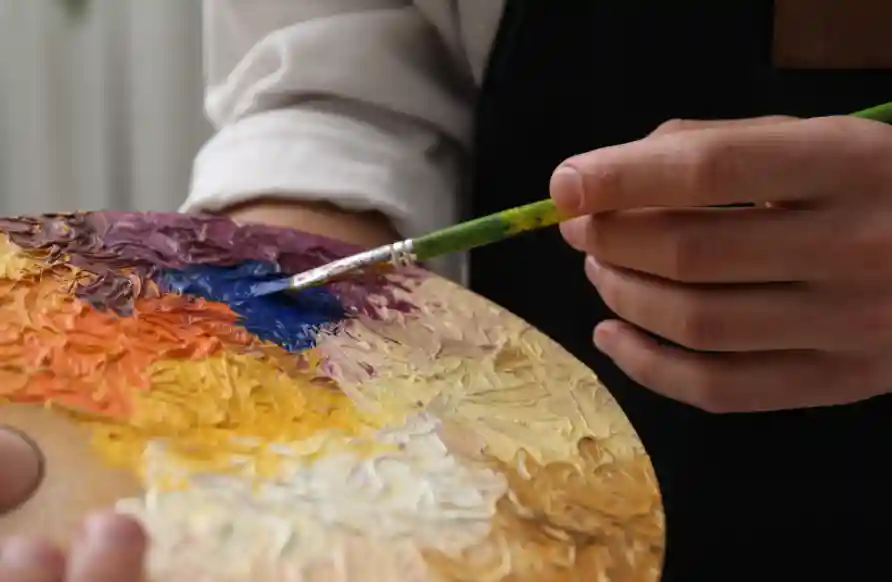
The theory of color is an essential element to any artist. Get acquainted with the color wheel, and by this, it demonstrates primary, secondary and tertiary colors. Learn how to blend colors to make a greater palette without necessarily having to purchase all of the paint tubes on the market.
Pro Tip: To have an idea of the palette of colors you can make, blend the primary colors to form a color chart. This exercise will enhance your knowledge of the relationship of colors.
3. Brush Techniques
It is possible to influence your painting dramatically by your brushwork. Test and compare different strokes and brushes to determine their difference in texture. An example is a flat brush which gives a bold stroke and the round brush is excellent in details.
Exercise: create a simple landscape with the help of various brushes. Note the change of touch with every brush on your piece of art.
Composition: How to Make Your Art Engaging
Composition is the way that the elements are arranged in your work of art. A beautifully written article attracts the attention of the viewer and conveys your message. The following are the basic principles of composition:
-
Rule of Thirds: Break up your canvas into a grid of nine parts. Put focal points on these lines or a cross over point to give a balanced appearance.
-
Leading Lines: This involves the use of lines in your drawing to make the eye of the viewer follow the subject. This method will be effective in narration in your art.
Real Life Cases: Learning by Well-Known Artists.
An examination of the work of renowned artists may give information on the successful techniques. As an example, one can refer to the way Vincent van Gogh employed thick colors and vivid strokes of the brush to express the feeling. Or see how Claude Monet used to use the light at its transient quality in his impressionist landscapes.
The ability to visit art galleries or museums and analyze works of art can give you the impulse to create your own. Consider the methods of the painting and the way they help in creating the overall impression of the picture.
Practice Makes Perfect: Developing a Routine
Consistency is a crucial thing to develop skills in visual art techniques. Create a routine, either daily, weekly, where practice can be done. Even brief sittings would have tremendous results in the long term.
Suggested Routine
-
10 minutes: Line and shape warming up exercises.
-
20 minutes: Pay attention to a certain technique (shading or color mixing).
-
30 minutes: Do a little drawing or painting.
Challenges that are common and the way to overcome them
All artists have to go through hardships, particularly the novices. The following are some of the pitfalls and recommendations to avoid:
-
Fear of Failure: It is a fact that all artists have produced bad art. Learn to accept the mistakes.
-
Overthinking: Before you begin, do a few brief sketches to get yourself relaxed. Do not be too concerned with details.
-
Comparison: You should compare yourself to what you have done not against others. Celebrate small victories.
Conclusion
It can be a thrilling and a daunting experience to venture into the world of art. Through learning the key aspects of visual arts and having the growth mind, you will realize that not only are talented people able to create works of art but also anyone who chooses to.
Always keep in mind that practice, patience, and exploration are the keys to open your creativity. Then take your supplies and be inspired by all that is around you and begin to create!
FAQs
1) What are the basic visual art techniques?
The major practices in visual art that beginners can master are mastering lines, concept of shapes, practicing of value and shading as well as color mixing. These are the basic skills that aid in building confidence and enhancing the general skills in art.
2) Help me draw better in a short period of time?
The following are basic measures in enhancing drawing skills, which are to make sure that regular practice time is set aside, concentrate on the use of basics in drawing: shapes and lines, and drawing of real-life objects. Practice and reflection about what you do will result in quicker improvement.
3) What is the material that I will require to begin with painting?
All you need in order to begin painting include simple materials such as either acrylic or watercolor paints, different size brushes, palette, and paper or canvas. The color palette should be kept to a minimum to make the learning process easier.
Be the first to read my stories
Get Inspired by the World of Interior Design