Art is a universal language, which does not recognize boundaries, and the cultural identity of people in the world is reflected in it. The practices, materials, and symbols of cultural art include an extremely long list of practices, materials, and symbols that transfer meanings that have their historical, cultural, and social foundations. This paper will …

Art is a universal language, which does not recognize boundaries, and the cultural identity of people in the world is reflected in it. The practices, materials, and symbols of cultural art include an extremely long list of practices, materials, and symbols that transfer meanings that have their historical, cultural, and social foundations. This paper will discuss the complex arrangement of cultural art movements, and how various areas express themselves through symbolism and materials, to share their own story.
The Role of Symbolism in Art
Most cultural traditions of art revolve around symbolism. Symbols are pictorial depictions of underlying significances, which may be related to mythology, spirituality, or social values. Through symbols, artists are able to convey complicated concepts and feelings.
The Major Artistic examples of Symbolism
-
African Tribal Masks: African cultures do not only use the masks as decorations; they use them as spirits, forebears, and cultural stories. As a case in point, the Fang community of Gabon makes masks, which are symbolic of the spirit of the dead and they are used as a connection between the living and the spiritual world.
-
Native American Dreamcatchers: Dreamcatchers are a native American protection symbol of the Ojibwa (Chippewa) culture. The community values of safety and spirituality are assumed to be reflected in the fact that they are believed to trap bad dreams and pass good dreams.
-
Japanese Cherry Blossoms (Sakura): In Japan, cherry blossoms are used to refer to the coming and going of life. Their short lived beauty is glorified in Hanami (flower viewing) festivals, being a cultural claim to value nature and the temporality of life.
Cultural Art Traditions Materials
The materials used in artistic expression can be very meaningful in terms of culture. Artists choose materials depending on the locality of materials, and customary values, and these values can be highly diversified depending on the location.
Important Resources and their relevance
-
Clay in Indigenous Ceramics: Various Indigenous cultures contain the use of clay to produce pottery; examples of these cultures are the Pueblos of the American Southwest who used clay to make pottery to serve as both practical and ceremonial items. The elaborate patterns usually narrate their history and traditions of their forefathers.
-
Cloak of West African Art: Clothing, such as kente cloth, in Ghana is more than a piece of clothing; it has a meaning, expressed in the colors and patterns of the cloth. All colors signify various life elements including prosperity, religion or political influence.
-
Scandinavian Carving: Wood has been a major material in Scandinavian culture since ancient times. Artists cut elaborate patterns on wood which is commonly used as furniture and decorative objects, and it mirrors functionality and art.
Art Traditions related to culture
Different factors such as geography, history and social dynamics shape cultural art tradition. Artists are influenced by these factors in terms of theme, technique, as well as materials.
Influences of the Region on Artistic Expression
-
Asian Art and Spirituality: Art and spirituality go hand in hand in most of the Asian cultures. An example of this was the Buddha in Buddhist art, where there is almost always a serene representation of Buddha, with emphasis on peace and enlightenment.
-
European Renaissance and Humanism: Renaissance was a period of transition to humanism which put more emphasis on individualism and realism in art. Other artists such as Leonardo da Vinci and Michelangelo aimed at human emotion and human anatomy as a mirror of societal values at the time.
-
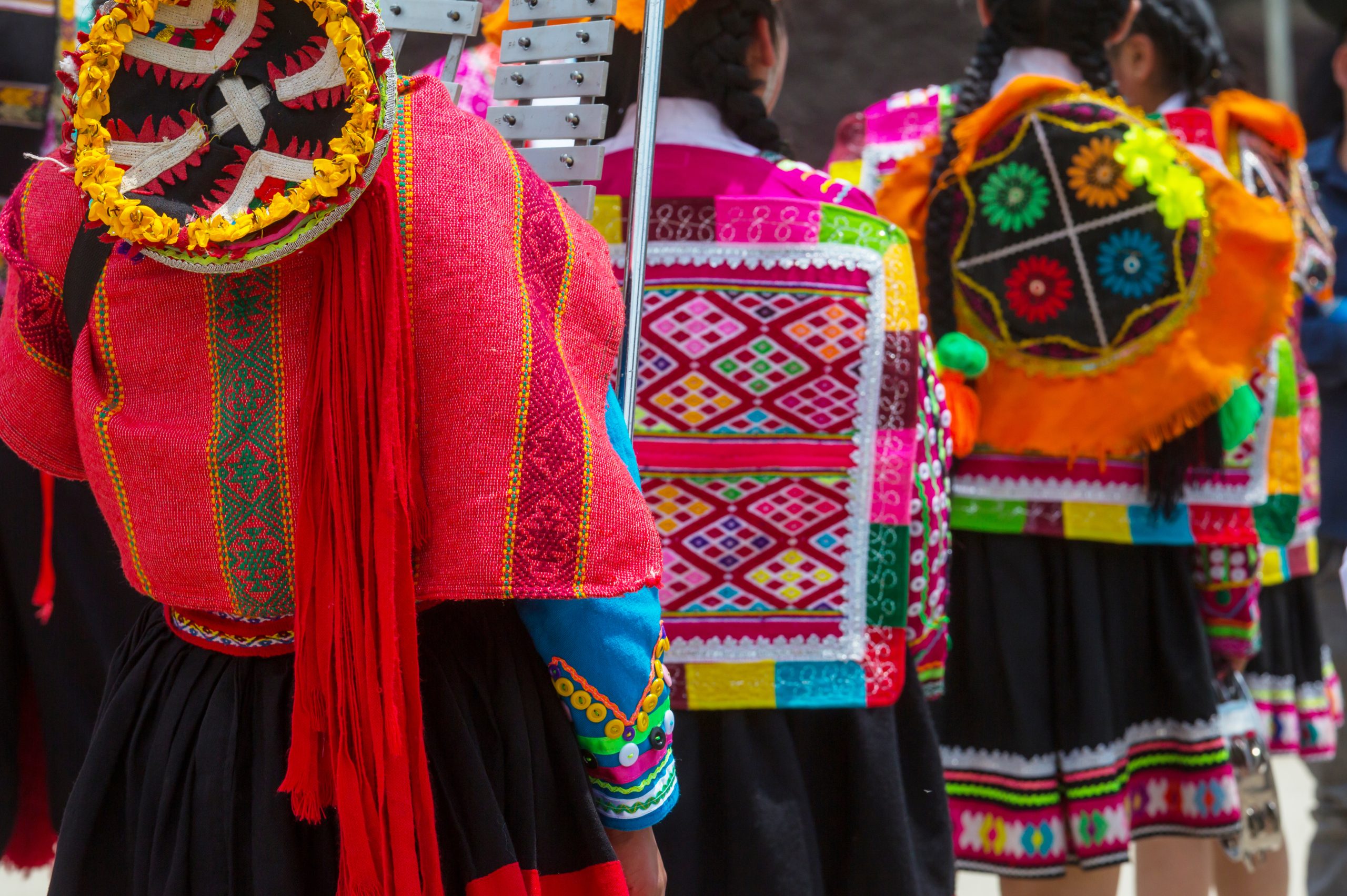
Latin American Folk Art: Latin American cultures are commonly a mixture of both indigenous and colonial cultures giving rise to a folk art that is very vibrant. This art is a reminder of the complicated history and identity of the region with the help of the bright colors and effective patterns, through which the stories and traditions are shared.
The Effect of Globalization on Traditional Cultural Art
With the globalization of the world, cultural art traditions are challenged and have a chance. Globalization has contributed to ideas and techniques being shared thereby enhancing artistic practices, and to some extent eroding cultural identities.
The Two-sidedness of Globalization
-
Cultural Exchange: Artists of other origins unite and create something new, merging various traditions in its creation. As an illustration, modern artists could use the traditional methods in the context of the modern installation, and they could construct new stories.
-
Cultural Appropriation: On the other hand, globalization may also result in culture appropriation where aspects of a particular culture are exploited without learning and appreciation. The practice may result in the commodification of cultural symbols, which have been deprived of their meaning.
Preservation: The Importance
With the globalization changes that have been introduced, it is essential to conserve cultural art traditions in order to keep the cultural identity and heritage. The documentation, preservation, and popularization of traditional arts is known to facilitate the preservation of the culture in order to provide future generations with the opportunity to learn and enjoy their culture.
Preservation Strategies
-
Community Intervention: Community intervention by letting the locals participate in keeping up with their art forms may lead to pride and ownership. The awareness of cultural art traditions can be created through workshops, exhibitions and educational programs.
-
Documentation and Archiving: Processes through photography, videotape and written histories can be used to document the traditional art practices to ensure that the techniques and stories are conserved to be utilized by the future generation.
-
Artist Support: Artists can be assisted with financial and technical assistance to continue practicing their traditional arts and encouraging their works in an international arena.
Conclusion
The cultural art traditions play a crucial role in human creativity and identification. These include a rich veil of symbolism, materials and meanings that capture the various experiences of communities across the world. As we unravel the meaning behind such traditions we get to understand more about the past, belief systems and values that make our world what it is.
Art is a very strong means of telling stories and thus through it, cultures are able to transfer knowledge and traditions across generations. Through valuing and celebrating the diversity among the cultural art traditions, we will be able to create more empathy and closeness in a society that is becoming more and more global.
Symbolism cannot be overrated in these types of art. Symbols in many cases are used to tell intricate stories and feelings giving a clue on the cultural psyche. The narratives are further complemented by the materials adopted in artistic expression which is based on the local customs and materials.
In times when the cultural lines are becoming more and more interactive, it is important to traverse the opaque reality of globalization. Although cultural exchange may give rise to rich artistic partnerships, there is a need to respect the source of cultural symbols and practices. Encouragement of ethical involvement in terms of embracing local artists has the potential of bringing a positive impact to the world of art.
Cultural art traditions can be concluded as not being fixed, they change over time, embodying the present-day problems and the new. When we are interacting with those traditions we find ourselves part of a wider discussion of identity, heritage, and creativity. We should embrace the diversity of art cultures and acknowledge their use in defining our shared human experience.
FAQs
1) What are the cultural art traditions?
The art traditions in cultures refer to the artistic activities, symbols and materials that communities both around the world use to identify their beliefs and their history.
2) What are the examples of symbolism in cultural art?
The cultural art symbolism is a sign of underlying meanings in relation to spirituality, mythology or social values; through which artists are able to express complex concepts through visual images.
3) What is the value of maintaining cultural art?
It is very important to preserve cultural art forms in order to retain cultural identity and heritage so that the future generations are able to appreciate and enjoy their cultural heritage.
Be the first to read my stories
Get Inspired by the World of Interior Design